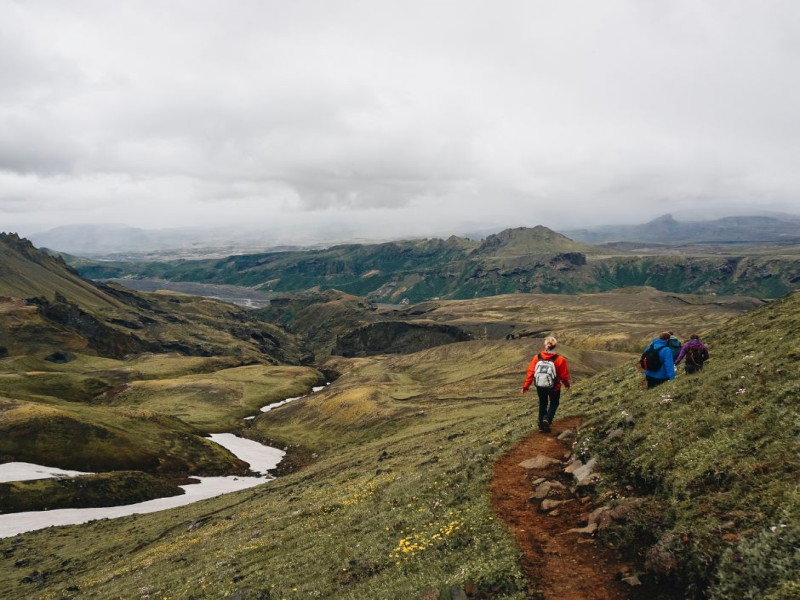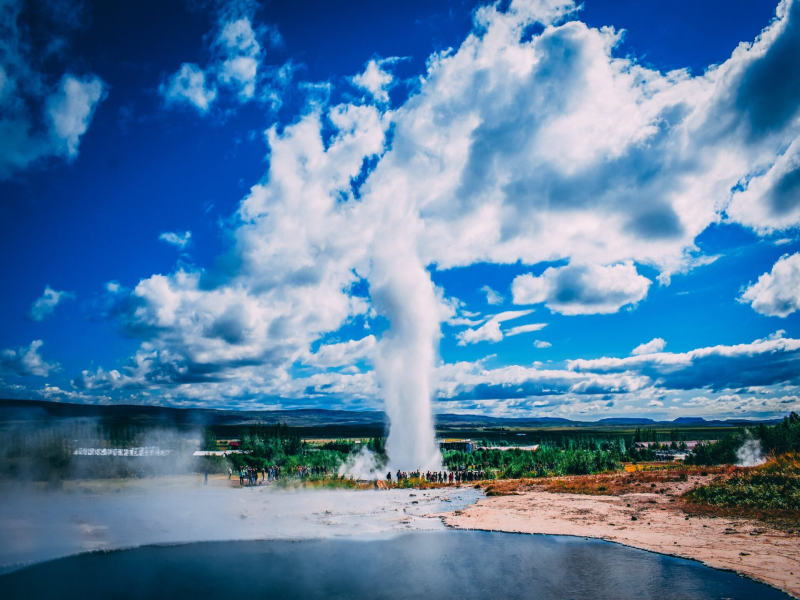
Iceland, the country sometimes referred to as ‘the land of fire and ice’ offers fascination allure of breathtaking scenes for wild escapades. Although people can visit this Nordic island nation in many ways, camping in Iceland allows for absolute freedom. Picture yourself starting the day with the first rays of sun on the glacier and going to bed with the Northern lights above your head, do activities the rest of the day including; hiking through volcanic terrains, taking a bath in geothermal hot pools, and exploring water falls. Everything you need in order to plan your Iceland camping trip of a lifetime is in this ultimate resource.
As a first-time camper, or if you’ve never ventured into the wild before, camping in Iceland is a good starting point before jumping into more complicated adventures for it got all the elements of a way of touching nature in a different level, and it is budget-friendly too. Starting from selecting the appropriate gear and identifying the best places for pitching a tent up to the regulation of the camp sites and finding the best camp sites in Iceland, this book will accompany you in your Icelandic camping.
Why Choose Camping in Iceland?
Camping in Iceland isn’t just about finding a place to sleep; it’s about immersing yourself in the country’s rough and rugged frontier and feel the country in ways that you cannot when in a hotel. Here’s why camping should be your top choice for exploring the land of fire and ice:
Immerse Yourself in Nature
Iceland we were availed with stunning features that leaves your senses wanting for more. It is very easy to plan for a camping session in this park, where you will find glaciers, volcanoes, waterfalls and hot water spring around. Camping during the trip in Iceland gives people an opportunity to feel closer to these phenomena, to wake up to the spectacular view and go to sleep by the sound of the night .
- Glaciers: Walk through the site of Europe’s largest glacier, Vatnajökull or marvel at the ice caves and lagoons of Jökulsárlón.
- Volcanoes: Visit places like Hekla a dormant volcanic mountain or areas with geothermal heat such as the Krafla area.
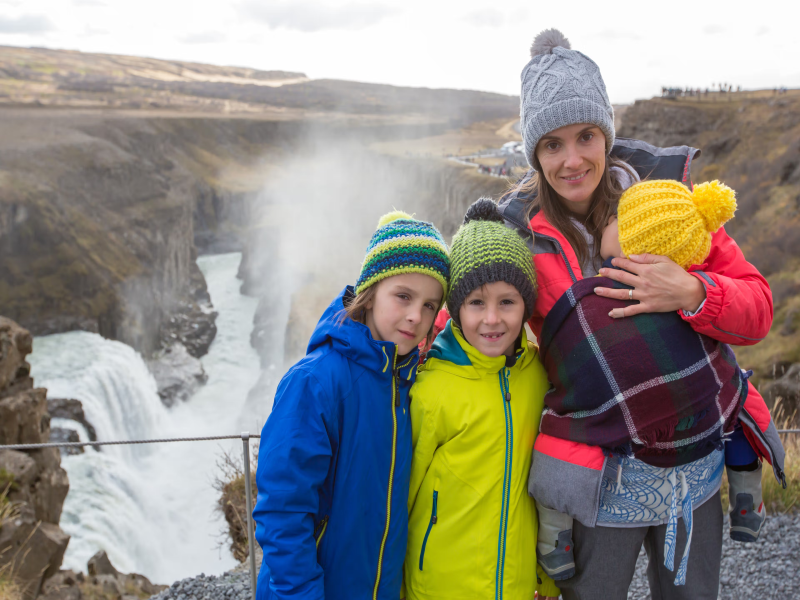
- Waterfalls: Iceland’s most famous waterfall is called Gullfoss, which literally translates into ‘Golden Falls’, you can also visit less known sites like Seljalandsfoss – you can even walk behind the waterfall.
- Hot Springs: Soak yourself in geothermal pools that are apparently natural pools such as the Blue Lagoon or Secret Lagoon.
Each camp leads to a measure of individual liberty and fun as this type of vacation enables one to design his or her own experience while touring these marvelous terrains.
Budget-Friendly Adventure
Like most things in Iceland, camping is much cheaper than if you were to stay in a hotel which is very expensive. Campsites are far cheaper than hotels and guest houses – you will spend less money on accommodation and can thus spend more on other interesting activities.
| Accommodation Type | Average Cost per Night |
| Hotel | $200 – $500+ |
| Guesthouse | $100 – $300 |
| Campsite | $10 – $30 |
Camping in Iceland also provides greater flexibility in your travel plans. You’re not tied to reservations or fixed itineraries, allowing for spontaneous detours and unexpected discoveries.
Escape the Crowds
Although Iceland’s popularity has increased in the last couple years, camping provides you with an opportunity to get away from horde and find a peaceful nature. It ought to be noted that majority of the campsites are isolated; therefore, a person will be all alone. Now imagine trying to see the Northern Lights if you are constantly fighting the artificial lights of the city, or a quite morning by a clean lake.
Hiking is an ideal chance to get acquainted with real Iceland, which differs from places popular among tourists.
Planning Your Iceland Camping Trip
Proper planning is crucial for a successful and enjoyable camping trip in Iceland. This section will guide you through the essential steps to prepare for your adventure:
Choosing the Right Time to Go
Iceland’s climate is notoriously unpredictable, so choosing the right time to camp is crucial. Here’s a breakdown of the different seasons:
- Peak Season (June – August):
- Pros: Warmer temperatures (averaging 10-15°C / 50-59°F), long daylight hours (up to 24 hours of daylight in June), and most campsites are open.
- Cons: Higher prices, more crowds, and increased demand for campsites (booking in advance is essential).
- Shoulder Seasons (May & September):
- Pros: Fewer crowds, lower prices, and a chance to experience the Northern Lights.
- Cons: Unpredictable weather, some campsites may be closed, and daylight hours are shorter.
- Winter (October – April):
- Pros: Opportunity to experience Iceland’s winter wonderland, witness the Northern Lights, and enjoy a truly unique adventure.
- Cons: Extremely cold temperatures (often below freezing), limited daylight hours, challenging driving conditions, and only a few campsites remain open.
Consider your priorities and preferences when choosing the best time for your Iceland camping trip.
Finding the Perfect Campsite
Iceland offers a variety of campsites to suit different needs and preferences:
- Private Campsites: Generally provide more facilities such as shower, toilet and electricity. These campsites normally need to be booked, especially when the summer is on or during the weekends.
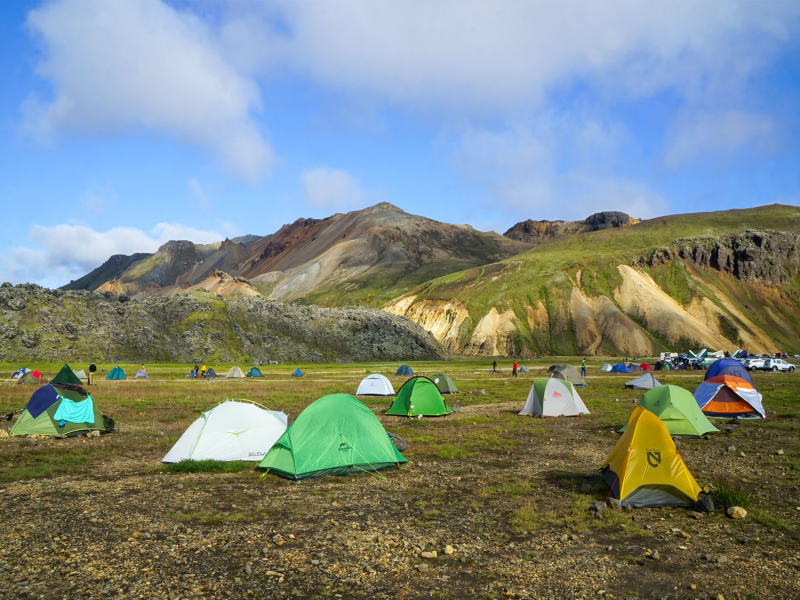
- Public Campsites: Usually less developed, and often possess fewer services and facilities but the accommodations are, as a rule, less expensive and provide more backwoods atmosphere.
- National Park Campsites: Situated inside breathtaking scenery of the Icelandic nature mere walking distance to hiking trails and natural geoparks.
It is advisable for people to book campsites given that it is always busy throughout the year and especially for popularity of the particular site that one wants to visit. Here are some helpful resources:
- Camping.is: The campsites which are approved and operating in the country can be found on this site along with further information concerning the machines, prices, and vacancies.
- National Park Websites: Campsites and other information in relation to each national park is contained in a website of the park.
Wild camping in Iceland stays largely prohibited and only achievable in certain approved areas through the consent of the owner of the land. One must learn some guidelines to avoid being penalized and to ensure that you do not harm the very sensitive ecosystem.
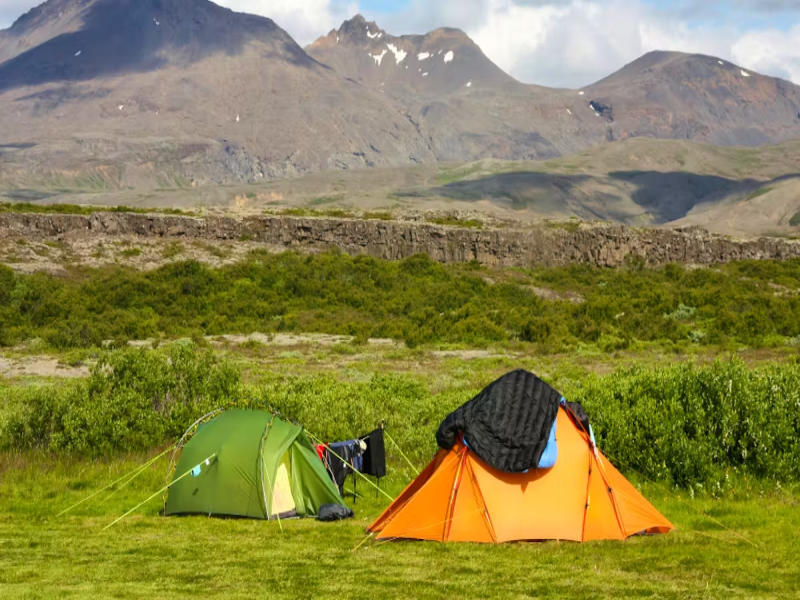
If you are planning for camping in Iceland you should carry with you these necessary camping equipment.
Iceland’s weather is changeable and very humid; temperature may shift frequently; it may rain at times, and winds may pick up. I believe that bringing apt equipment can make the camping adventure fun and safe. Here’s a checklist:
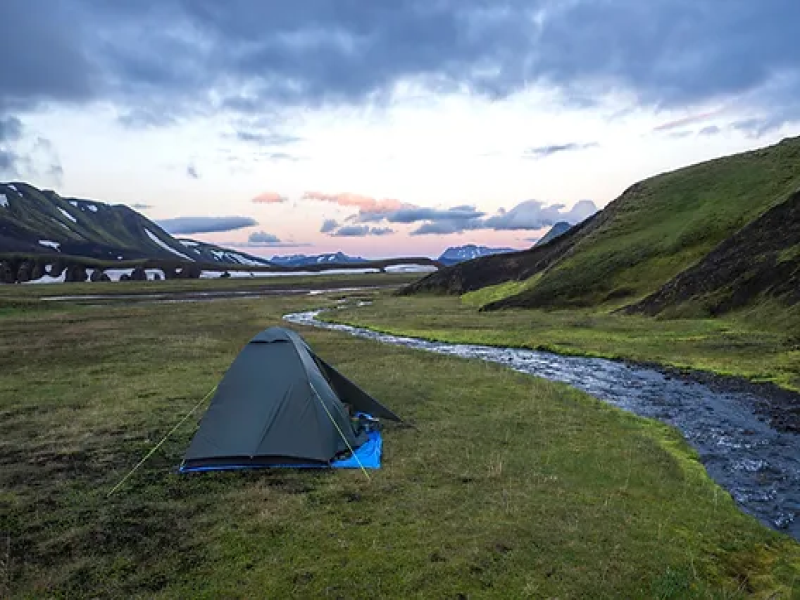
- Tent: The best type of tent must be a strong, compact, and durable abode that can protect from high winds and rain. Search for a tent with a small height, specially designed to resist windstorms and for a rainfly that touches the ground.
- Sleeping Bag: Decide on the sleeping bag with the right comfort range to use when temperatures freeze even in the summer months. Down sleeping bags provide good warmth to weight values.
- Sleeping Pad: A good sleeping pad also serves as the insulator on the ground and offer comfort to the hiker. Think of an inflatable pad and choose one the has a high R-value to retain heat.
- Cooking Equipment: Cooking gear includes a portable actively fueled stove, cooking pots, utensils and a lighter for lighting.
- Clothing: Take clothing for any type of climate both wet and cold with a rain and wind proof jacket and pants, a warm hat and gloves and hiking boots.
- Other Essentials: Flashlight, first aid kit, map, compass and/or GPS, hat, sunblock, insect spray and refillable water container.
Correct clothes and appropriate shoes and other accessories will safeguard you throughout your Iceland camping experience.
Camping Regulations and Etiquette in Iceland
Responsible camping among the main attractions Freedom and adventure are major aspects of camping while in Iceland, but they have to be exercised responsibly and within the country’s legal requirements on land use and respect of … Here are some essential guidelines to follow:
Respecting the Environment
Iceland is a sensitive environment and people destructive presence can have a negative influence on the environment. Therefore, as a measure of staying neutral and contributing to the protection of natural resources many tourists are encouraged to practice Leave No Trace measures for later generations to be able to tour the attractive natural sites in the country.
- Pack out all trash: Take your trash with you and drop it in a dustbin where there is one or lay a picnic cloth on the floor and drop your garbage where you placed the cloth.
- Minimize campfire impact: Avoid building campfires whenever possible and in its place only use approved fire pits or even portable propane stoves. In case you have to have the campfire, ensure that it is little and under control. Collect firewood sustainably or, if unable to do so, obtain it from the local marked from a lawful dealer. There must never be a willing or involuntary abandonment of a campfire.
- Stay on marked trails: Do not step on plants and drifts and do not disturb the local wildlife.
- Responsible water usage: Hold no water and refrain from soaping or spraying the water with chemicals of any sort.
To follow these guidelines you can help reduce your impact and preserve Iceland’s natural environment for years to come.
Campfire Safety
Fire is essential, especially to prepare food, but creating a campfire is very risky in many ways in Iceland because of the dry climate and normal winds.
- Check for fire bans: To safeguard the environment, use the campsite checklist to check on fire dangers such as fire ban or restriction. Many of them are in places which may apply ‘dryness’ throughout the year to avoid arson incidences.
- Use designated fire pits: Every campsite provides an area where these fires can either be built in designated pits or are allowed to be set. You can use the identified areas to reduce risk of fire extending to other areas.
- Gather firewood responsibly: It’s not permitted to cut down trees which still standing they only limit themselves to collecting those which are dead and fallen on the ground. There must be no cutting down on either trees or branches. The other option is to buy firewood from other accredited sources as much as possible.
- Never leave a campfire unattended: This means that there should never be an instance where a campfire is burning and you are out of the camp, or you are asleep. Throw water on it and turn the ashes to see if any ashes are still hot.
Wildlife Awareness
There is a rich population of animals in Iceland like birds, sheep and, believe it or not the foxes living in the Arctic region. Getting used with these animals is one of the thrilling moments in your tour but it is advised to keep off any interference while taking photos or videotaping them.
- Keep a safe distance: The general public should avoid coming close to or feeding wild animals. Bless them or observe them from a distance using binoculars or even a long distance camera lens.
- Store food securely: You should store food in seals, and the best place to store it is in a car or tent.
- Be aware of nesting birds: Nestlings and eggs are best left alone during nesting season, which is from May to July.
You can help conserve wildlife, wild places, and yourself by learning how to live gently in their worlds while camping.
Top Camping Destinations in Iceland
Camping sites in Iceland are numerous and anyone who would wish to travel to this country can find a camping site that they would like. Here are some of the top spots to consider for your Iceland camping adventure:
South Coast
The South Coast’s geography is characterized by glaciers, volcanoes and black sand beaches as well as spectacular waterfalls.
- Skógafoss Waterfall: Stay close to this popular waterfall and watch it’s majestic falls. The Skógafoss campsite provides the most elementary services and, at the same time, breathtaking scenery.
- Þakgil Campground: Located in a scenic depression, Þakgil has places to walk, hot suff, a swimming pool in the natural, and a view of the adjacent mountains.
Golden Circle
The Golden Circle is one of the tourist attractions that are famous for attractions that encompass natural sites within Iceland.
- Þingvellir National Park: This is a World Heritage Site that has archeological historical and geophysical importance. Simple camping amenities, hiking, as well as historical sights can be found in the park.
- Geysir Geothermal Area: Catch a glimpse of the Strokkur geyser eruption every few minutes and discover more of the geothermal area. Some of the campsites are near this natural wonder making it easy for tourists to access the place.
Westfjords
The Westfjords are considerably isolated and are characterized by steep cliffs and fjords, which suggests more adventure than in any other region.
- Dynjandi Waterfall: Stay close to this beautiful waterfall, quite appropriately known as the Jewel of the Westfjords. What this campsite has to provide is rather limited concerning the infrastructures but one could definitely be amazed by the landscape of the cascading water.
- Látrabjarg Bird Cliffs: These vertical cliffs create habitats for over tens of millions of seabirds, such as puffin, guillemot, razorbill etc. Stay close by and watch these birds breeding and flying close to the cliffs.
North Iceland
North Iceland has everything from volcanic craters and geothermal areas to numerous excellent fishing villages.
- Lake Mývatn: This shallow volcanic caldera contains a lake and is home to additional geothermal features such as pseudocraters and lava flows. Several campsites are available around the lake for hiking birdwatching and recess exploration of geothermal zones.
- Ásbyrgi Canyon: This is a horseshoe shaped canyon famous for its legends and just breathtaking views. The campsite that exists in the canyon affords peaceful and scenic area, as well as a proximity to trails.
These are just a few of the many places in Iceland which are interesting camping destinations. They are very many interesting places in the world that can be visited for different fun activities, all that one need is to plan and search for the best places to visit.
Tips for a Successful Camping Trip in Iceland
Depending on the chosen area, camping in Iceland can be claim to be incredibly rewarding but one must be ready to face some unexpected difficulties of attempting outdoor activities in such landscape. Here are some tips to ensure a successful and enjoyable trip:
Be Prepared for All Weather
What could be expected for this beautiful country’s climate is quite uncertain, unpredictable even in summer. Expect to get wet and be ready for some wind and, depending upon the location of the storm, possible cold weather regardless of sunny skies.
- Pack for all conditions: Pack more clothes than necessary especially sweatshirts and jackets, raincoats and Windbreakers, extra warm hats, gloves and sturdy trekking shoes.
- Check the forecast regularly: Assembling more information, it would be wise to check the weather for the specified routes before and during the tour. The Icelandic Meteorological Office whose website is vedur.is offers accurate and timely epic forecasts.
- Be flexible with your plans: This means that one is very likely to find him or herself chasing the weather since weather conditions in Iceland are quite volatile. If in any case, some fun activities or some certain places of interest can not be accessed due to weather, then, have other plans B and or C as well.
Stock Up on Supplies
Even though Iceland has supermarkets and grocery stores in big cities of the country, you have to bring your ones before getting deep into the land. It is also important to understand that campers overall have very restricted, or no, access to shops at many campsites.
- Plan your meals: Prepare a menu for your traveling and buy all the required products before your trip. Conceivable food should not be perishable; it should also be compatible with preparation over a camping stove.
- Utilize camping kitchens: The campsite that usually provides such amenities may include shared kitchen with stoves and spoons inclusive. These facilities should be embraced and utilized for cooking and in the process help to save fuel.
- Bring a reusable water bottle: Water in Iceland is good tap water so you can just carry your own reusable water bottle, and refill it whenever you can to help minimize the use of plastic bottles.
Respect Local Customs
Icelanders especially appreciate their origins and culture a lot. It is important to follow certain protocol of the country you find yourself in for a positive encounter with the locals.
- Learn basic Icelandic phrases: Though most of the Icelanders understand English, it is always nice to use some words in Icelandic, especially Hello – Halló, and Thank you – Takka.
- Follow local guidelines: Many signs and guidelines may be posted at certain campsites and other areas of natural beauty. Comply with any rules or regulation that is in force.
- Be mindful of noise levels: Avoid loud music or noise making with regard to campsites particularly during night time. Other campers should be respected and, firstly, people should understand that other campers want to be calm and quiet.
So, the tips on this page should help you to have a relaxing camping in Iceland without harming the environment and culture of the country.
Beyond Camping: Other Outdoor Activities in Iceland
Although it makes for a great opportunity to have a chance to communicate with nature, Icelandic camping is only the first step towards the outdoor activities. One cannot deny the amount of adrenalin rush and opportunity for exploring nature activities in Iceland. Here are a few ideas to enhance your Icelandic adventure:
Hiking
Most regions of Iceland boast an amazingly large number of different trails that vary from simple strolls to long high-velocity hikes.
- Laugavegur Trail: This well-known trail spans 55km (34 miles) of natural beauty of vivid red rhyolite mountains, glaciers, hot springs, and black sand desert.
- Fimmvörðuháls Trail: A steep 22km (14-mile)track from Þórsmörk to Skógar with panoramic views of glaciers, active volcanoes, waterfalls, and interesting geology.
- Glymur Waterfall Hike: Trek up to Glymur, the second highest waterfall in Iceland and soak up the sights of the surrounding valley.
When walking the trails make sure that you select the right trails that will be within your fitness level and experience. With regards to the physical exertion, weather conditions should also be considered and a person should tell someone about the hike.
Glacier Hiking
As you walk on the glacier, you can even climb the ice pillars watching those unimaginable forces of nature at work.
- Sólheimajökull Glacier: One of the top options for the glacier hiking tours; the company has different trails for beginners and professional alike.
- Skaftafell Nature Reserve: Visit Europe’s largest glacier; Vatnajökull in which you can go on easy strolls around the glacier or even ice climbing.
Glacier walking is a sensitive one that must involve the use of working tools as well as being conducted by experts. Tour operators should be chosen professional companies that assumed the responsibility of their tourists’ safety and the protection of marine life.
Wildlife Watching
There’s a lot of wildlife to watch in Iceland – you will be able to see whales, puffins, seals and much more.
- Whale watching: An organized boat ride from places such as Reykjavík, Húsavík, or Akureyri can make one lucky to watch humpback whales, minke whales, orcas and even blue whales.
- Puffin colonies: Penguin lovers can choose islands such as Dyrhólaey, Westman Islands or the clifftops of Látrabjarg between May-August when the birds nest.
- Seal spotting: Seals can be seen either lounging on the beach or in the water at the Jökulsárlón glacier lagoon or at the Vatnsnes peninsula.
It is also important to avoid littering, harassment or disturbing of the wildlife is in any way.
Soaking in Hot Springs
So after a day of fun, make sure to visit the geothermal pools that Iceland offers to the tourists.
- Blue Lagoon: This luxurious spa that offered milky blue water for bath, silica mud baths, and topography that consists of lavas.
- Secret Lagoon: Moer offbeat and deserted than Gula, it gives tourists an opportunity to take a natural hot spring bath.
- Mývatn Nature Baths: These are situated in North Iceland, but are similar to the Blue Lagoon effecting the body positively at a cheaper cost.
Spa and Geothermal swimming pool is one of the prominent features of Icelandic hospitality; this is very common by providing therapeutic solutions and nature’s beauty’s gifts.
With the help of such activities, you can design the wonderful camping in Iceland, where you may feel the quietness of the night together with the spirit of the discovery.
Conclusion
Icelandic camping is about being one with the country and enjoying all that the place has to offer and since Icelandic campers have an affinity to nature, they make it their business to explore most of the country’s features. Starting from the gigantic glaciers and volcanic areas in South Coast, going as far as reach Westfjords, Iceland can provide a camping experience for everyone.
Using the tips and guidelines outlined in this guide, then surely your camping trip will be safe, fun and responsible. Do not forget to bring clothes for sunny or rainy days, and behave ecologically accordingly, for traveling is all about! From hiking through the lava fields and desert derelicts, relaxing in hot springs, to watching super luxurious of the aurora borealis, Iceland camping gives a unique adventure.
Therefore, assemble your camping equipment, bring your tent along and be ready for an eye opening Iceland camping experience of the land of legends.
References
- Official website for camping in Iceland: www.camping.is
- Visit Iceland website: www.visiticeland.com
- Iceland National Parks website: www.vatnajokulsthjodgardur.is
- SafeTravel Iceland website: www.safetravel.is